The structure of Vacuum Blood Collection Yellow has been improved to suit both clinical and laboratory applications. Sealing, sterilization, and pre-added substances keep blood samples in their most stable form. Besides, they are used in hospitals for several purposes such as preventing clotting, keeping cellular components alive, and facilitating accurate diagnostic tests. The standardization of their sizes and the color-coded caps used for them help in easy identification and also minimize pre-analytical errors. The integration of Vacuum Blood Collection Yellow with laboratory instruments like centrifuges and analyzers results in improved workflow and reliable results. These tubes are indispensable in both hospitals and research laboratories as they help maintain the accuracy and efficiency of the processes.

In hospital laboratories, Vacuum Blood Collection Yellow find widespread use in the case of routine blood tests such as complete blood counts, metabolic panels, and coagulation analysis. The prefilled additives in them guarantee the proper condition of the sample, thus, allowing the precise measurement of the plasma and cells. The laboratory personnel apply color codes to the test tubes according to the tests to be done in order to minimize the pre-analytical errors. These tubes are compatible with centrifuges, analyzers, and barcode systems, facilitating the processing of the samples automatically. By granting the same and reliable sample preservation, Vacuum Blood Collection Yellow are increasing the accuracy and efficiency of diagnostics, thus, supporting the clinicians in the management of the patients and enabling hospitals to keep the standards of laboratory workflow high.
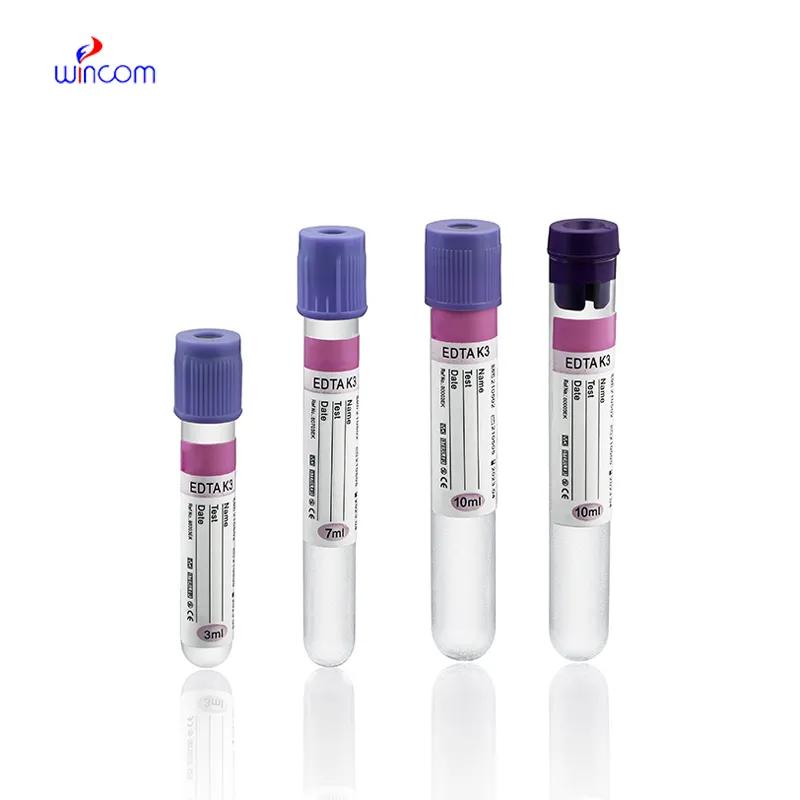
In the near future, Vacuum Blood Collection Yellow are to be outfitted with intelligent sensors that would keep track of the temperature, pH, and condition of the sample throughout the transportation process to the lab. Early warnings for spoiled specimens will be to the advantage of hospitals and research centers thus lessening the number of tests done in vain and raising the quality of patient care. The automation of the processing and examination might even make these tubes a part of the high-output systems. By means of advanced monitoring and the medical practice of blood sampling, Vacuum Blood Collection Yellow are anticipated to be in the forefront of the battle for diagnostic accuracy, workflow efficiency, and overall hospital laboratory performance in both routine and specialized testing.
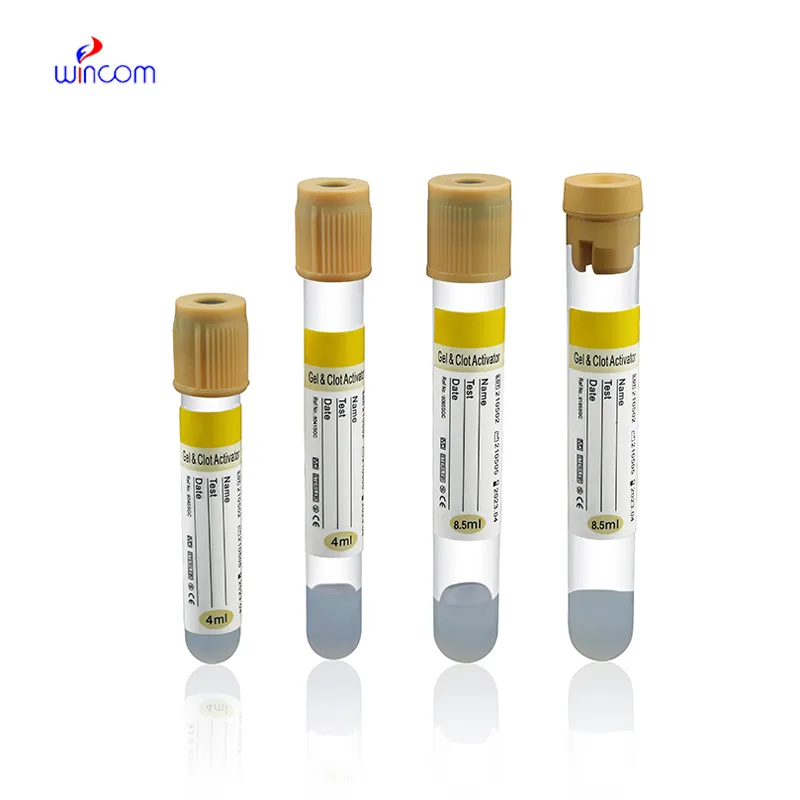
The care procedures for Vacuum Blood Collection Yellow focus on hygiene and expert handling of the samples in clinical environments. To avoid contamination, tubes must be taken out of their packaging only at the time of use. The laboratory personnel should ensure that the boxes containing the tubes are not subjected to the weight of heavy objects on top to avoid deformation. Areas for storage need to be controlled so that there is no excessive vibration or humidity. Staff in the hospital are trained to check the tubes by looking for cracks, color changes, or broken seals before the tubes are used. Following these methods aids the process of keeping samples unaltered and, consequently also lab analysis being accurate in the different hospital departments.
In the field of medical research and clinical trials, Vacuum Blood Collection Yellow are indispensable in the collection and storage of blood samples for analysis. The tubes guarantee uniform volumes of the sample and at the same time do not alter the chemical composition of the sample during the storage period. They are used for different diagnostic applications in hospitals and research labs, such as tests related to hematology, serology, and molecular biology. The common construction enables the tubes to be used with centrifuges, analyzers, and automated lab equipment that require the same class of products. Proper use of Vacuum Blood Collection Yellow not only ensures reliable processing of samples and minimizes errors but also plays an important role in the accurate diagnosis of patients and the generation of quality data in both clinical and experimental contexts.
Q: What is a Blood Collection Tube used for? A: A Blood Collection Tube is used to collect and preserve blood samples for laboratory testing in hospitals and clinical laboratories. Q: Why do Blood Collection Tubes have different cap colors? A: The various colors of the caps show the specific additives that are meant for different diagnostic tests. Q: Are Blood Collection Tubes sterile? A: Absolutely, these tubes are produced in very tight sterile environments to keep them contamination-free. Q: Can Blood Collection Tubes be reused? A: The tubes are disposable and per patient use only, which is a measure to keep the patient safe and ensure the accuracy of the test. Q: How should Blood Collection Tubes be stored before use? A: Blood Collection Tubes should be stored in a recommended temperature range that is clean and dry.
We’ve used this centrifuge for several months now, and it has performed consistently well. The speed control and balance are excellent.
The centrifuge operates quietly and efficiently. It’s compact but surprisingly powerful, making it perfect for daily lab use.
To protect the privacy of our buyers, only public service email domains like Gmail, Yahoo, and MSN will be displayed. Additionally, only a limited portion of the inquiry content will be shown.
We’re interested in your delivery bed for our maternity department. Please send detailed specifica...
We’re looking for a reliable centrifuge for clinical testing. Can you share the technical specific...
E-mail: [email protected]
Tel: +86-731-84176622
+86-731-84136655
Address: Rm.1507,Xinsancheng Plaza. No.58, Renmin Road(E),Changsha,Hunan,China


 EN
EN
 af
af
 es
es
 ar
ar
 tr
tr
 sw
sw
 pt
pt
 th
th
 ur
ur
 bn
bn
 ne
ne
 vi
vi
 km
km
 lo
lo
 de
de
 ru
ru
 fi
fi
 nl
nl
 fa
fa
 fr
fr
 ko
ko