In the surgery and hospital settings, anesthesia machines is involved in keeping the sedation controlled and providing support to the patients who are on artificial lungs. It also offers ceaseless observation of the important life sign parameters like oxygen saturation, the rate of breathing, and the pressures in the airways. The characteristics of this device include the presence of vaporizers, modifiable flow controls, and alarm systems which all enable fast reactions to the patients' needs. anesthesia machines is not only used in hospitals but also in the routine procedures, complex surgeries and laboratory-based clinical studies as the source of consistent anesthesia delivery. Its accuracy and dependability have made it a principal tool for ensuring patient safety, thereby assisting anesthetists in getting their desired results.

In the recovery and post-anesthesia care units, anesthesia machines is utilized to help patients move from anesthesia to the natural breathing process. Gradual cutting down of anesthetic gases is supported by the device while respiratory support is provided as per requirement. Medical personnel watch vigilantly over the patient reactions during this stage. Its use guarantees a regulated and risk-free deactivation of anesthesia, thus minimizing complications during postoperative recovery. This function emphasizes the remarkable clinical impact of anesthesia machines that stretches beyond the operating theater.
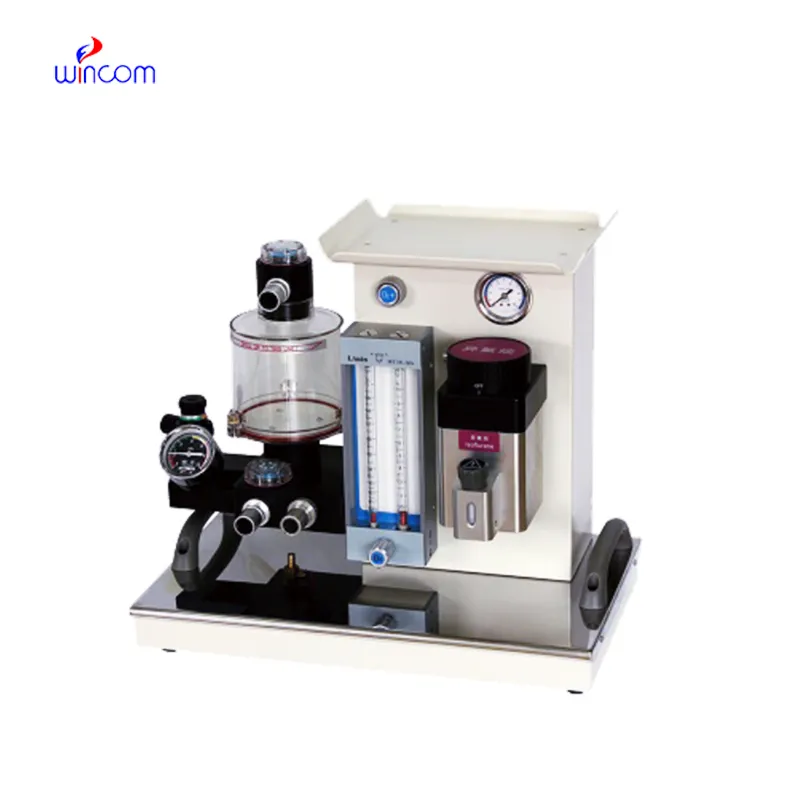
With the progress of personalized medicine, anesthesia machines could possibly transform to enable more personalized anesthesia methods. The future anesthetic systems might depend on patient-specific data like age, weight, and respiratory history, among others. Such details could help physicians in improving the administration of anesthesia. Personalized methods of treatment are becoming more and more appreciated by hospitals and anesthesia machines is expected to follow this increasingly responsive and data-driven approach of being more and more personalized.
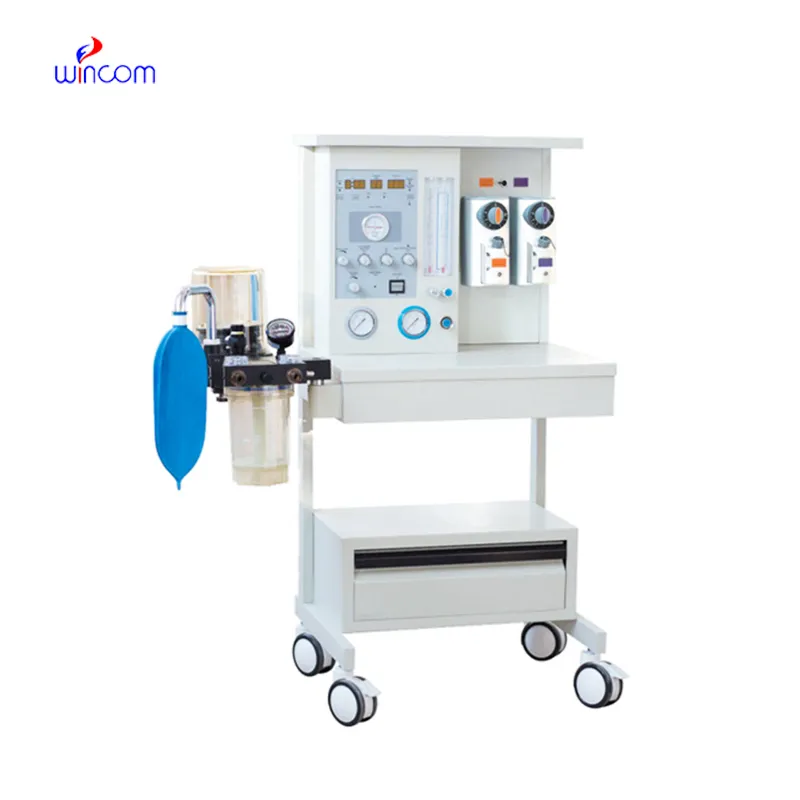
The anesthesia machines ventilation systems ought to be kept operational at all times to provide uninterrupted respiratory assistance. The filters must be changed at the proposed times to avoid their being clogged and dirty. The mechanical parts need to be checked in order to have good airflow and pressure regulation. In ICU and operating rooms, well-functioning ventilation systems minimize the hazards of long anesthesia use. They become part of the hospital's dependence on these devices' performance in the most challenging environments.
anesthesia machines is a device that integrates ventilation support, gas monitoring, and safety alarms in hospitals, which enables advanced surgical procedures. Continuous feedback on the patient's respiratory and oxygenation status allows anesthesiologists to make fast responses in case of physiological changes. The device's accuracy and reliability are very important in complex interventions where the stability of the patient is very crucial. Hospitals depend on anesthesia machines to ensure the safe management of anesthesia during high-risk procedures.
Q: What is the main function of an anesthesia machine? A: Controlled anesthetic gases are delivered and the patient is ventilated during medical procedures. Q: Where is the anesthesia machine frequently used? A: Hospitals mainly use it in their operating rooms, emergency units, and intensive care departments. Q: Who operates the anesthesia machine during surgery? A: Trained anesthesiologists or anesthesia technicians are responsible for operating the device. Q: Can the anesthesia machine assist the breathing of a patient? A: Yes, by providing mechanical ventilation support when spontaneous breathing is insufficient. Q: Does the device monitor respiratory parameters? A: It monitors airflow, pressure and oxygen concentration all through the delivery.
We’ve used this centrifuge for several months now, and it has performed consistently well. The speed control and balance are excellent.
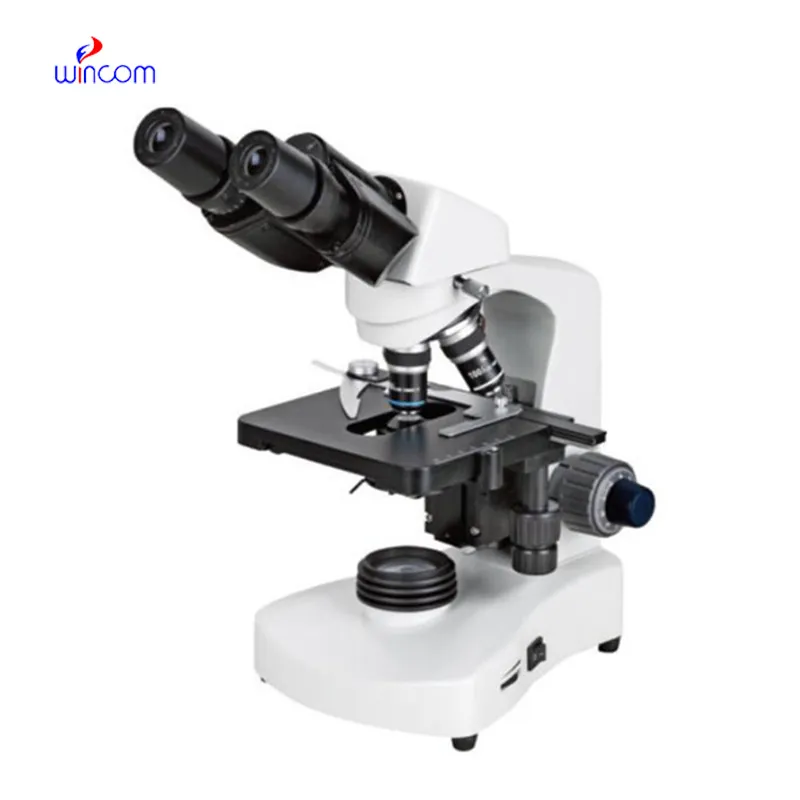
The microscope delivers incredibly sharp images and precise focusing. It’s perfect for both professional lab work and educational use.
To protect the privacy of our buyers, only public service email domains like Gmail, Yahoo, and MSN will be displayed. Additionally, only a limited portion of the inquiry content will be shown.
Could you please provide more information about your microscope range? I’d like to know the magnif...
I’d like to inquire about your x-ray machine models. Could you provide the technical datasheet, wa...
E-mail: [email protected]
Tel: +86-731-84176622
+86-731-84136655
Address: Rm.1507,Xinsancheng Plaza. No.58, Renmin Road(E),Changsha,Hunan,China


 EN
EN
 af
af
 es
es
 ar
ar
 tr
tr
 sw
sw
 pt
pt
 th
th
 ur
ur
 bn
bn
 ne
ne
 vi
vi
 km
km
 lo
lo
 de
de
 ru
ru
 fi
fi
 nl
nl
 fa
fa
 fr
fr
 ko
ko