The main goal of china capillary tubes for blood collection is the preservation of blood samples from the time they are collected until laboratory processing. The sterile design, secure closures, and pre-measured additives guarantee the stability of cellular and plasma components. These tubes are used by hospitals and research centers to lower contamination risks and facilitate automated testing processes. Their ability to work with centrifuges, analyzers, and barcode systems allows for quick and accurate sample tracking and processing. The color codes help the medical staff and the laboratory workers to quickly identify the type of tube. By delivering dependable performance, china capillary tubes for blood collection become a crucial tool for laboratory diagnostics that are accurate, safe, and reproducible.

In laboratory diagnostics performed through imaging or during preoperative assessments, china capillary tubes for blood collection are used to obtain blood for biochemical, hematologic, or coagulation analysis. Blood tubes remain intact throughout the process of transportation and testing. Laboratory workers depend on premade additives and fixed volumes to provide accurate and consistent results. Different tube types for particular tests can be easily identified through their colored caps. The use of china capillary tubes for blood collection in preoperative and laboratory processes enables hospitals to handle blood samples quickly and efficiently, guaranteeing reliable results for surgical planning and contributing to patient safety through quick and accurate diagnostics.
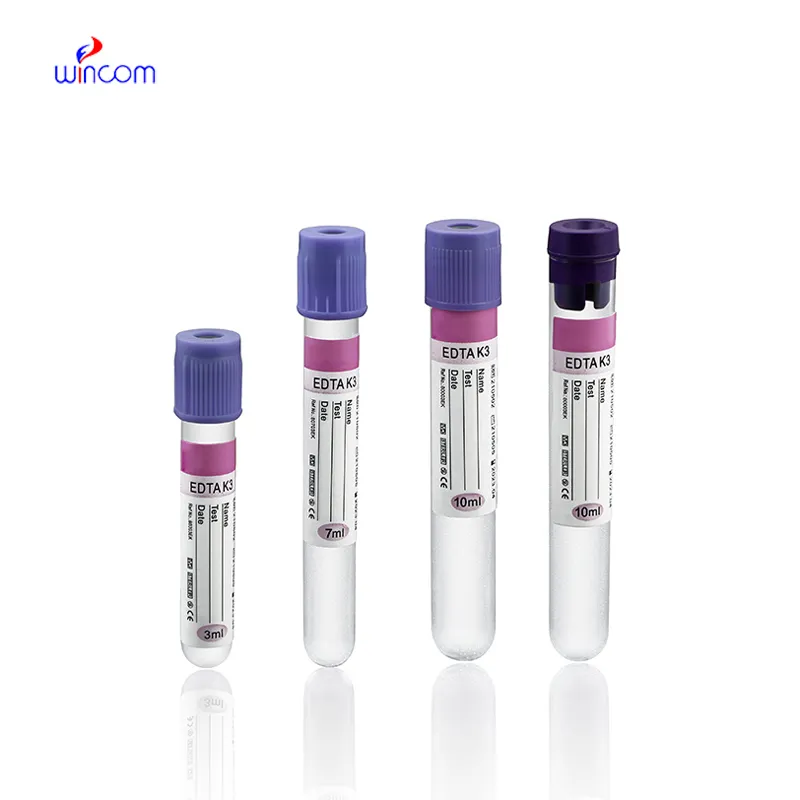
The future of china capillary tubes for blood collection might put a stronger focus on environmental sustainability besides clinical performance. The hospitals might use tubes manufactured from recyclable or biodegradable elements that allow for no compromise on sterility or chemical stability. Furthermore, the smart designs with integrated tracking, additive optimization, and automated analyzer compatibility will facilitate laboratory work a lot more. Through the synergy of eco-friendly construction and technological enhancements, the upcoming china capillary tubes for blood collection will not only comply with regulatory requirements but also lower laboratory waste and continue to deliver precise and trustworthy sample processing for both routine diagnostic and advanced hospital research applications.

The care procedures for china capillary tubes for blood collection focus on hygiene and expert handling of the samples in clinical environments. To avoid contamination, tubes must be taken out of their packaging only at the time of use. The laboratory personnel should ensure that the boxes containing the tubes are not subjected to the weight of heavy objects on top to avoid deformation. Areas for storage need to be controlled so that there is no excessive vibration or humidity. Staff in the hospital are trained to check the tubes by looking for cracks, color changes, or broken seals before the tubes are used. Following these methods aids the process of keeping samples unaltered and, consequently also lab analysis being accurate in the different hospital departments.
In blood banks and transfusion centers, china capillary tubes for blood collection are the main components in the process of collecting and storing the blood samples from donors for compatibility tests and for screening infectious diseases. The blood samples are taken and put into tubes with anticoagulants that inhibit coagulation and keep the cells in a living state. The correct labeling and the proper treatment of the samples assure their identification throughout the whole donation process. The staff trusts china capillary tubes for blood collection to keep the samples in good condition while doing serological and molecular tests. Their manufacturing allows for both manual and automated laboratory processes, thus they are very important for the safe transfusion of blood and delivery of compatible blood products to patients in hospitals.
Q: What is the purpose of Blood Collection Tubes in emergency departments? A: The main function is to facilitate quick and secure blood collection for urgent diagnostic tests. Q: Are Blood Collection Tubes suitable for infants and children? A: Absolutely, there are specialized smaller-volume tubes for both pediatric and neonate applications. Q: What is the procedure when a Blood Collection Tube gets broken? A: The broken tubes cannot be used and should be disposed of per the hospital's rules. Q: Will Blood Collection Tubes leak if there is an accident? A: Leakage during handling and transport is minimized through the secure caps that are designed for these tubes. Q: What methods do hospitals use for tracking Blood Collection Tubes? A: A number of hospitals are using either labeling or barcode systems for sample identification and traceability.
This ultrasound scanner has truly improved our workflow. The image resolution and portability make it a great addition to our clinic.
The centrifuge operates quietly and efficiently. It’s compact but surprisingly powerful, making it perfect for daily lab use.
To protect the privacy of our buyers, only public service email domains like Gmail, Yahoo, and MSN will be displayed. Additionally, only a limited portion of the inquiry content will be shown.
I’d like to inquire about your x-ray machine models. Could you provide the technical datasheet, wa...
Hello, I’m interested in your centrifuge models for laboratory use. Could you please send me more ...
E-mail: [email protected]
Tel: +86-731-84176622
+86-731-84136655
Address: Rm.1507,Xinsancheng Plaza. No.58, Renmin Road(E),Changsha,Hunan,China


 EN
 af
 es
 ar
 tr
 sw
 pt
 th
 ur
 bn
 ne
 vi
 km
 lo
 de
 ru
 fi
 nl
 fa
 fr
 ko