china color coded blood collection tubes are the most important parts of the process in a hospital and clinical laboratory, which are primarily used to offer safe and controlled blood collection. Each tube is capable of preserving the chemical as well as the cellular composition of the sample for accurate tests. The additives are made suitable for different types of tests like hematology, chemistry, or coagulation assays. The color-coded caps and the volume markings are very helpful for the laboratory staff to easily identify and handle the materials correctly. In the case of working with centrifuges, analyzers, and barcode systems, china color coded blood collection tubes play a major role in accelerating hospital workflows. Their trustworthy structure guarantees that blood samples are free from any contamination and can be traced, thus providing support for regular diagnostic results and smooth laboratory operations.

In laboratory diagnostics performed through imaging or during preoperative assessments, china color coded blood collection tubes are used to obtain blood for biochemical, hematologic, or coagulation analysis. Blood tubes remain intact throughout the process of transportation and testing. Laboratory workers depend on premade additives and fixed volumes to provide accurate and consistent results. Different tube types for particular tests can be easily identified through their colored caps. The use of china color coded blood collection tubes in preoperative and laboratory processes enables hospitals to handle blood samples quickly and efficiently, guaranteeing reliable results for surgical planning and contributing to patient safety through quick and accurate diagnostics.
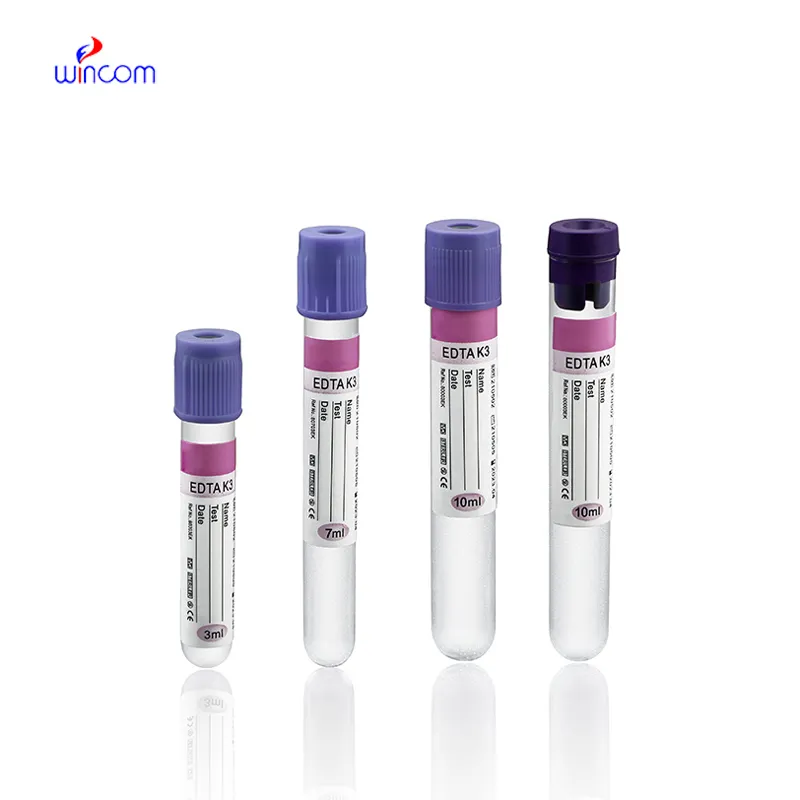
The upcoming china color coded blood collection tubes generation might emphasize the reduction of sample volumes accompanied by high accuracy, especially in the case of testing newborns and infants, at the same time. Less blood from the patient will imply less discomfort, and hospitals will be able to conduct several tests simultaneously. The tubes could be equipped with improved chemical stabilization that would allow their longer storage and transport without compromising the quality of the results. The use of laboratory information systems and automated analyzers will be combined which will result in the workflows being optimized, errors being reduced, and high-throughput testing being supported. The future china color coded blood collection tubes will probably be the ones that ensure ergonomic, eco-friendly, and tech-savvy design, which will hold up to the changing demands of both the clinical settings and research.
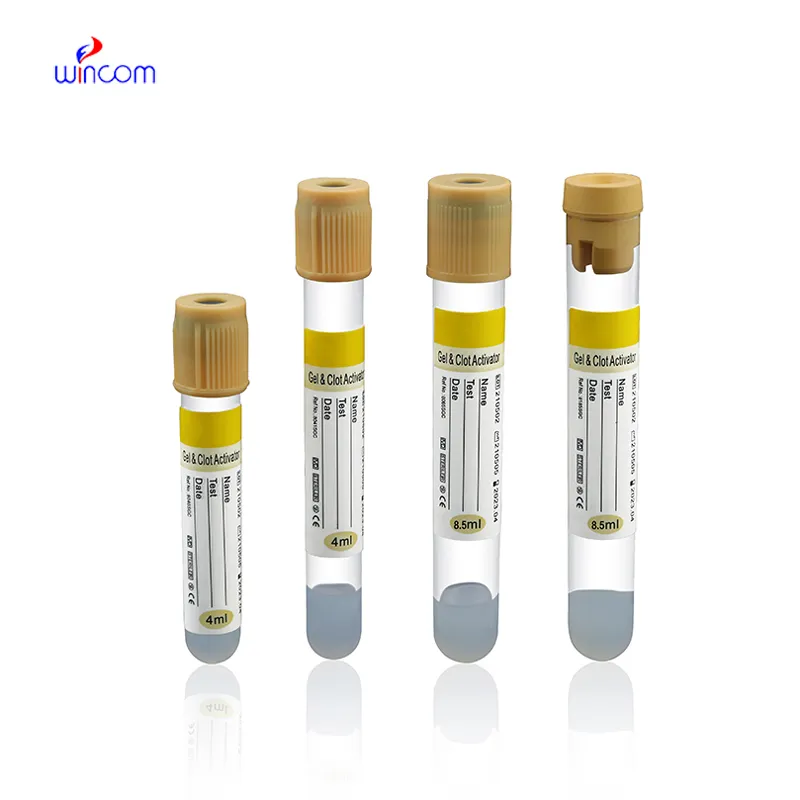
china color coded blood collection tubes continue to pose a challenge, but the risks associated with them can be effectively managed through proper inventory control and storage practices. The degradation of additives can be prevented by storing the tubes within the recommended temperature ranges. To limit the exposure to contaminants, hospitals usually provide certain storage cabinets. Conducting periodic audits helps to discover tubes that have expired or become damaged before clinical use. During storage, laboratory staff should also check the accuracy of the color coding and labeling. These practices not only minimize pre-analytical risks but also keep diagnostic results consistent, therefore, china color coded blood collection tubes are always ready to be used in daily laboratory and hospital operations as they are expected to perform.
In blood banks and transfusion centers, china color coded blood collection tubes are the main components in the process of collecting and storing the blood samples from donors for compatibility tests and for screening infectious diseases. The blood samples are taken and put into tubes with anticoagulants that inhibit coagulation and keep the cells in a living state. The correct labeling and the proper treatment of the samples assure their identification throughout the whole donation process. The staff trusts china color coded blood collection tubes to keep the samples in good condition while doing serological and molecular tests. Their manufacturing allows for both manual and automated laboratory processes, thus they are very important for the safe transfusion of blood and delivery of compatible blood products to patients in hospitals.
Q: What additives are found in Blood Collection Tubes? A: Additives may include anticoagulants, clot activators, or gel separators depending on test requirements. Q: How do Blood Collection Tubes support accurate testing? A: They preserve blood components and prevent degradation during transport and processing. Q: Are Blood Collection Tubes compatible with automated analyzers? A: Yes, most tubes are designed to work with modern laboratory automation systems. Q: Why is proper tube selection important in hospitals? A: Using the correct tube ensures reliable test results and reduces pre-analytical errors. Q: Do Blood Collection Tubes have expiration dates? A: Yes, expiration dates ensure additives remain effective and safe for use.
We’ve used this centrifuge for several months now, and it has performed consistently well. The speed control and balance are excellent.
The hospital bed is well-designed and very practical. Patients find it comfortable, and nurses appreciate how simple it is to operate.
To protect the privacy of our buyers, only public service email domains like Gmail, Yahoo, and MSN will be displayed. Additionally, only a limited portion of the inquiry content will be shown.
Hello, I’m interested in your water bath for laboratory applications. Can you confirm the temperat...
We’re currently sourcing an ultrasound scanner for hospital use. Please send product specification...
E-mail: [email protected]
Tel: +86-731-84176622
+86-731-84136655
Address: Rm.1507,Xinsancheng Plaza. No.58, Renmin Road(E),Changsha,Hunan,China


 EN
 af
 es
 ar
 tr
 sw
 pt
 th
 ur
 bn
 ne
 vi
 km
 lo
 de
 ru
 fi
 nl
 fa
 fr
 ko