The hospitals bed offers high-level adjustability and structural stability. It is typically a multi-section platform with independent positioning of the head, knee, and foot sections. The wheels of the hospitals bed are equipped with central brakes for secure positioning when in use. In consideration of long-term application, its framework is rust-coated for durability, good appearance, and hygiene. This equipment enhances comfort while maintaining professional medical standards.

The hospitals bed finds varied application in different areas of healthcare. It is used in diagnosis, monitoring, treatment, and long-term care. In home care, the hospitals bed enables disabled or elderly patients to live more comfortably with assistance. In hospitals, it facilitates patient transfer, monitoring, and therapy. The adjustable design accommodates different medical needs, improving caregivers' and patients' coordination and facilitating safer, more effective practices.
The hospitals bed of the future will be an even more responsive and interactive medical device. It will feature AI-powered posture correction, integrated monitoring displays, and gesture-based control interfaces. The hospitals bed can even interface with wearable devices to provide synchronized health data. Hospitals will also value its predictive maintenance to ensure reliability and uptime. All of this will facilitate more proactive and data-informed patient care.
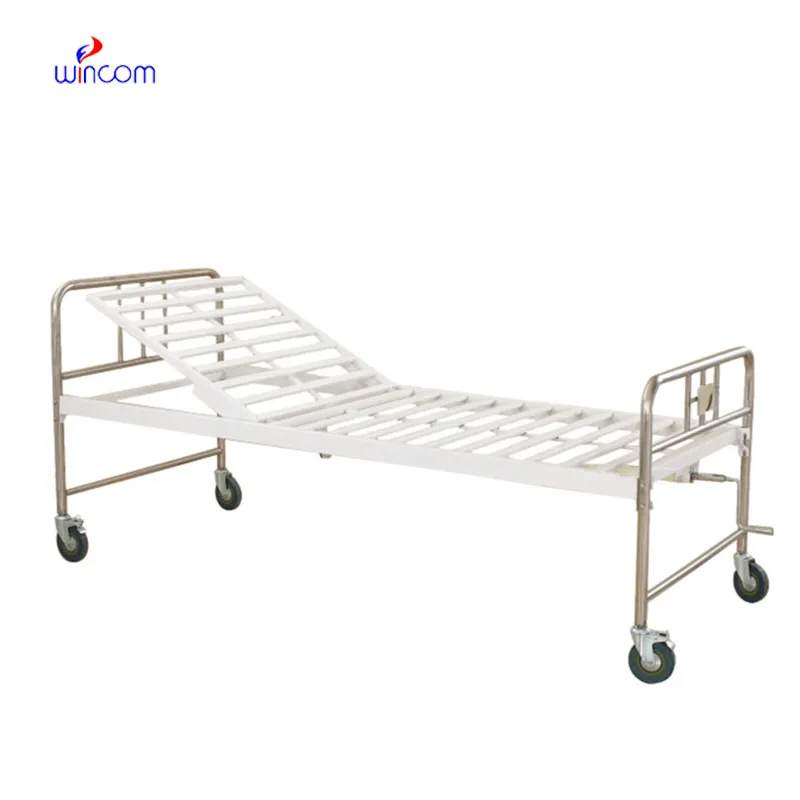
The hospitals bed requires constant care to keep it in the optimum working condition. Regular cleaning controls infection hazards, especially in high-traffic environments. Electrical components need checking for performance variability, and brakes, along with rail locks, need regular checking. The hospitals bed needs to be lubricated at intervals to maintain smooth operation. Environmental conditions of humidity and temperature need to be controlled so that sensitive mechanisms are not adversely affected.
The hospitals bed is an integral part of care with a patient focus and is made with maximum comfort and safety in mind. It has adjustable height, backrest, and leg sections for fulfilling various medical needs. The hospitals bed decreases caregiver workload through easy operation and availability. Brake systems and side rails increase safety, and ergonomic design decreases patient discomfort. It is an integral part of modern healthcare centers, assuring patient comfort as well as effective management of care.
Q: How can the lifespan of a hospital bed be extended? A: Regular cleaning, inspection, and lubrication of moving parts help maintain the bed’s performance and longevity. Q: How do hospital beds ensure patient safety? A: Built-in safety rails, stable frames, and locking wheels minimize risks of falls and unintended movements. Q: What features reduce the risk of bedsores? A: Pressure-relief mattresses and adjustable positioning reduce continuous pressure on the body. Q: Are hospital beds designed for specific departments? A: Yes, beds are customized for departments such as ICUs, surgical wards, and long-term care units. Q: How do hospitals optimize bed use? A: Scheduled maintenance, proper staff training, and monitoring improve efficiency and extend equipment lifespan.
This x-ray machine is reliable and easy to operate. Our technicians appreciate how quickly it processes scans, saving valuable time during busy patient hours.
The microscope delivers incredibly sharp images and precise focusing. It’s perfect for both professional lab work and educational use.
To protect the privacy of our buyers, only public service email domains like Gmail, Yahoo, and MSN will be displayed. Additionally, only a limited portion of the inquiry content will be shown.
Could you share the specifications and price for your hospital bed models? We’re looking for adjus...
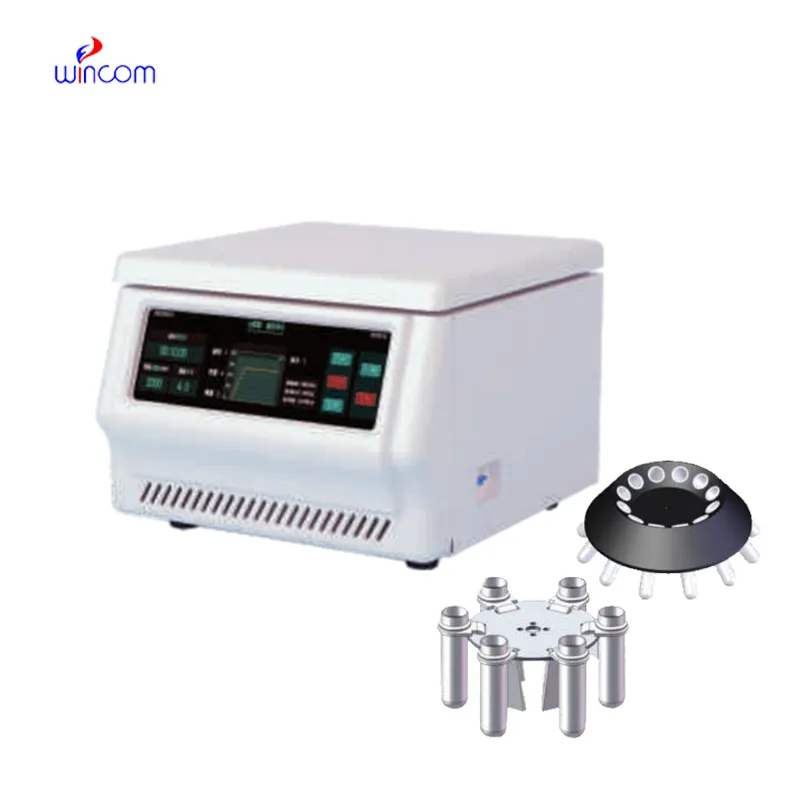
We’re looking for a reliable centrifuge for clinical testing. Can you share the technical specific...
E-mail: [email protected]
Tel: +86-731-84176622
+86-731-84136655
Address: Rm.1507,Xinsancheng Plaza. No.58, Renmin Road(E),Changsha,Hunan,China


 EN
 af
 es
 ar
 tr
 sw
 pt
 th
 ur
 bn
 ne
 vi
 km
 lo
 de
 ru
 fi
 nl
 fa
 fr
 ko