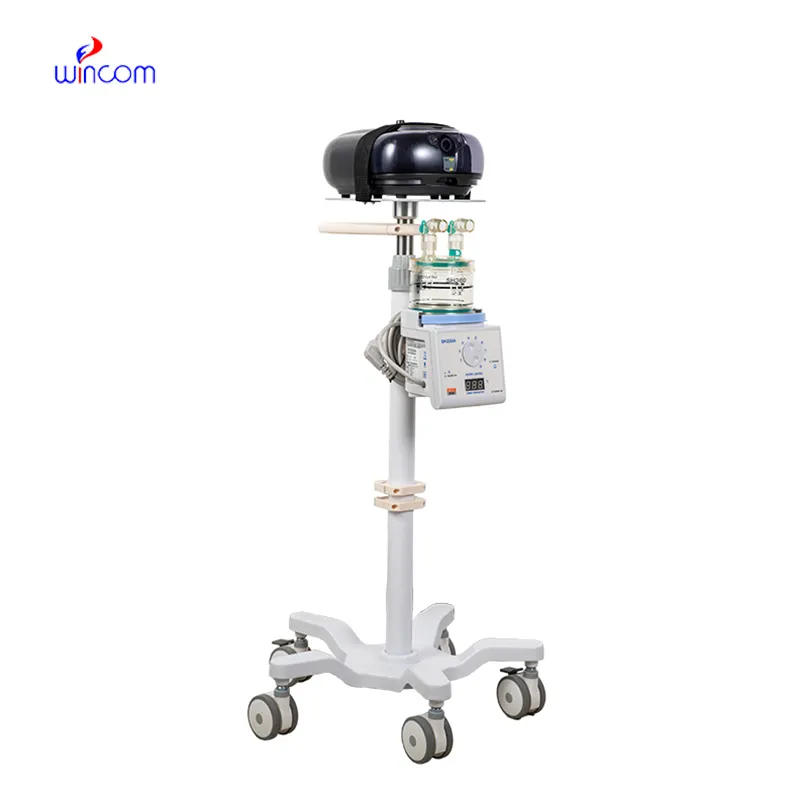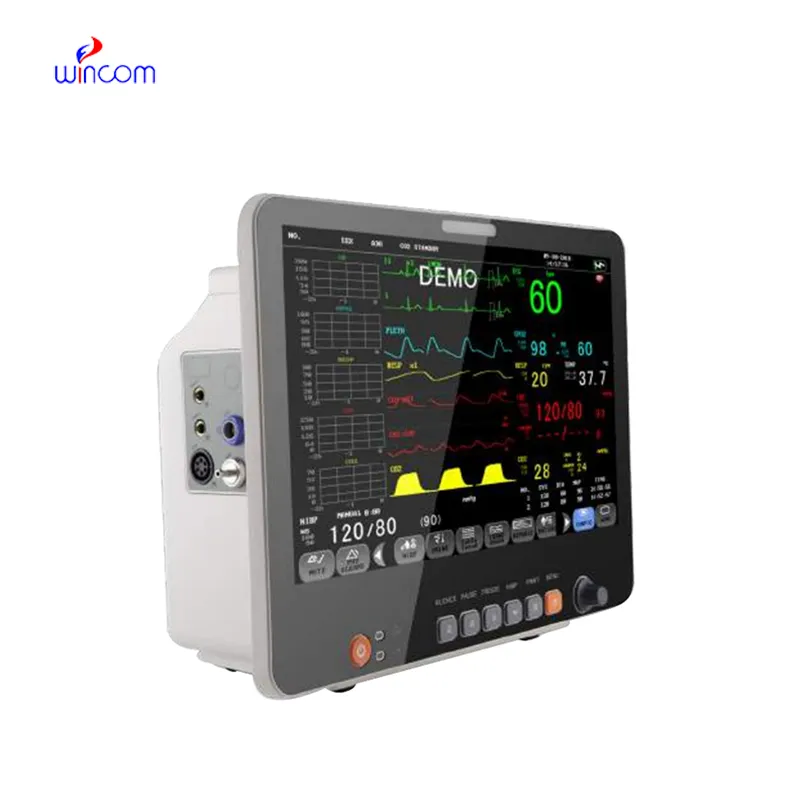
o2 analyzer anesthesia machine has been specifically designed to administer and manage anesthesia in a controlled manner while also providing the necessary mechanical ventilation and the monitoring of vital signs, which is done continuously. It brings together the monitoring of oxygen, the measurement of airway pressure, and the tracking of respiration, hence clinicians can modify the amount of sedation quickly and easily. This system is adopted by hospitals and research labs to guarantee patient safety during the times of operation and experiments. The integration of safety alarms, vaporizers, and variable gas flow ensures performance that is precise and reliable. o2 analyzer anesthesia machine offers better safety during procedures, easier and more effective anesthesia management, and importantly, it leaves the door open for high-quality patient care through physiological feedback.

o2 analyzer anesthesia machine is frequently employed in the ICU to give controlled sedation and respiratory support to patients in serious condition. Critical patients who are mechanically ventilated usually need exact anesthetic management to alleviate stress and discomfort. The device makes it possible to perpetually modify ventilation parameters and anesthetic concentration according to the patient’s condition. Staff in the ICU make use of o2 analyzer anesthesia machine to keep patients sedated during invasive interventions or durative respiratory support. This particular use emphasizes its significance outside the operating room, thus reaching the area of long-term critical care management.
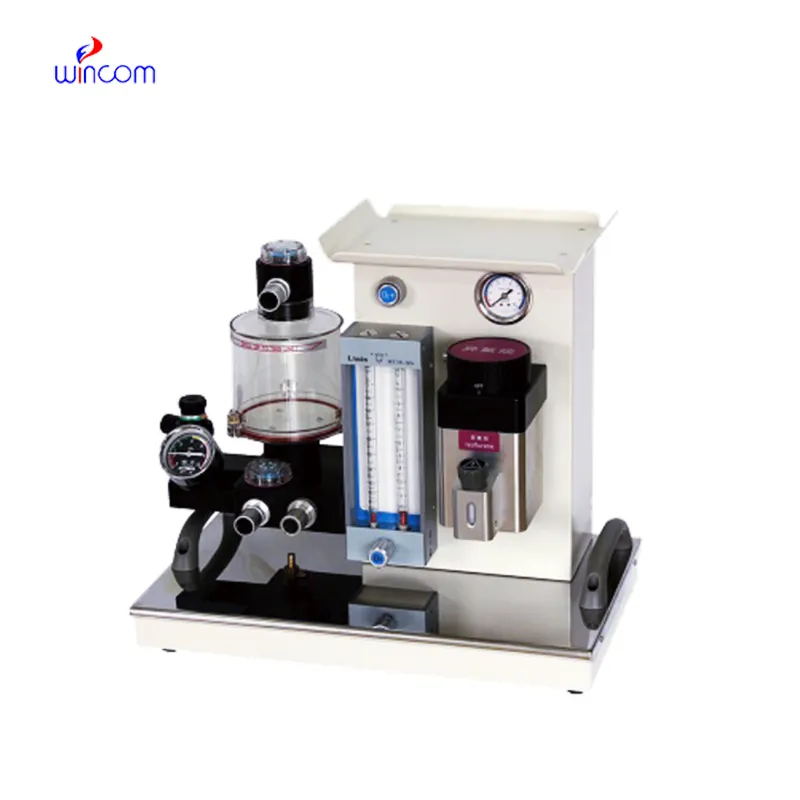
The future involvement of o2 analyzer anesthesia machine in hospitals might also lead to the establishment of hybrid operating rooms and innovative interventional suites. Such setups have surgery, imaging, and diagnostics together which means the anesthesia equipment must be very adaptable. New anesthesia machines could be able to have full integration with imaging systems and complex procedural workflows. This change is a sign of the progressive development of the huge modern healthcare facilities where o2 analyzer anesthesia machine is able to give a floor to the multidisciplinary medical procedures by providing tech support even when the procedures are very complicated.
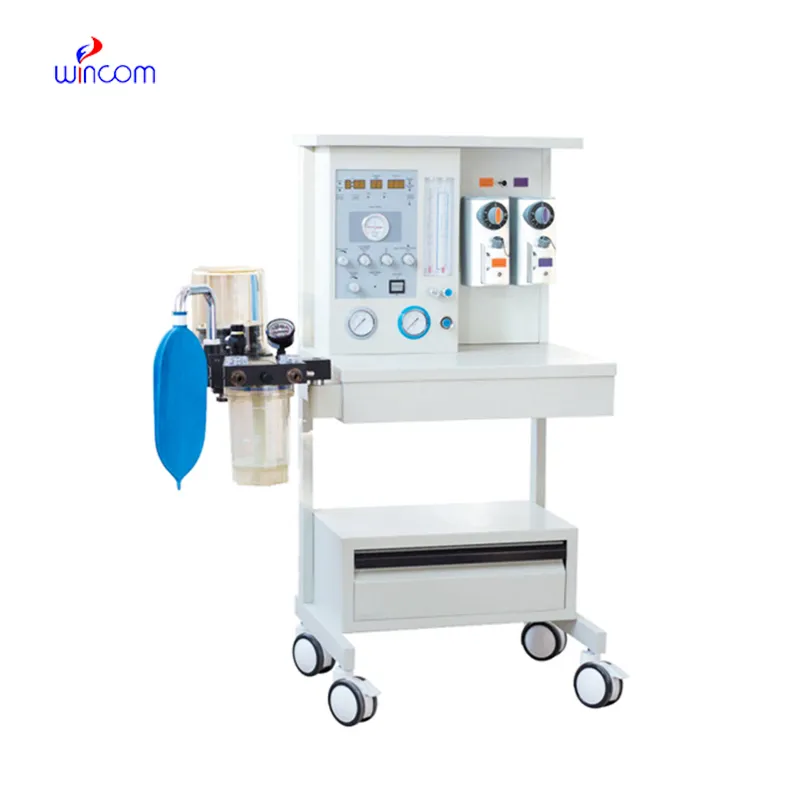
The proper care of o2 analyzer anesthesia machine starts with weekly inspection before and after daily clinical use. The gas pipelines, connectors, and flow meters should be checked by the hospital staff to make sure they are working correctly. Cleaning and replacing of breathing circuits and masks should be done according to infection control protocols. Regular calibration of monitoring components is a way to always have accurate readings. In high-traffic operating rooms, stable maintenance schedules cut down on sudden breaks. Hospitals can prolong the lifespan of o2 analyzer anesthesia machine and keep anesthesia delivery reliable by using inspection schedules that are structured.
o2 analyzer anesthesia machine is a crucial medical device in the operating room that supplies anesthesia controlled for patients during surgical operations. It unites accurate gas flow regulation with patient respiration and monitoring plus oxygen levels. In a hospital setting, this equipment guarantees patient safety while keeping the necessary sedation. By connecting ventilation support, vaporizer controls, and monitoring systems, o2 analyzer anesthesia machine makes it possible for anesthesiologists to practice patient care easily and gives trustworthy performance in all surgical, emergency, and laboratory environments where precision in anesthesia delivery is of utmost importance.
Q: What gases does the Anesthesia Machine make use of? A: The regular gases are oxygen, nitrous oxide, and volatile anesthetic agents. Q: Is the Anesthesia Machine suitable for long surgeries? A: Yes, it was designed to maintain stable anesthesia throughout long operations. Q: Under machine control how does the anesthesia concentration occur? A: The vaporizers dispense a precisely-measured amount of anesthetic gas to the patient. Q: Could the machine be used for pediatric patients? A: Yes, but only if the settings are modified by the experienced medical personnel. Q: Is there a built-in alarm system for the machine? A: Yes, alarms are present to alert the staff to changes in pressure, gas flow, or oxygen levels.
I’ve used several microscopes before, but this one stands out for its sturdy design and smooth magnification control.
We’ve used this centrifuge for several months now, and it has performed consistently well. The speed control and balance are excellent.
To protect the privacy of our buyers, only public service email domains like Gmail, Yahoo, and MSN will be displayed. Additionally, only a limited portion of the inquiry content will be shown.
Could you share the specifications and price for your hospital bed models? We’re looking for adjus...
We’re interested in your delivery bed for our maternity department. Please send detailed specifica...
E-mail: [email protected]
Tel: +86-731-84176622
+86-731-84136655
Address: Rm.1507,Xinsancheng Plaza. No.58, Renmin Road(E),Changsha,Hunan,China


 EN
 af
 es
 ar
 tr
 sw
 pt
 th
 ur
 bn
 ne
 vi
 km
 lo
 de
 ru
 fi
 nl
 fa
 fr
 ko