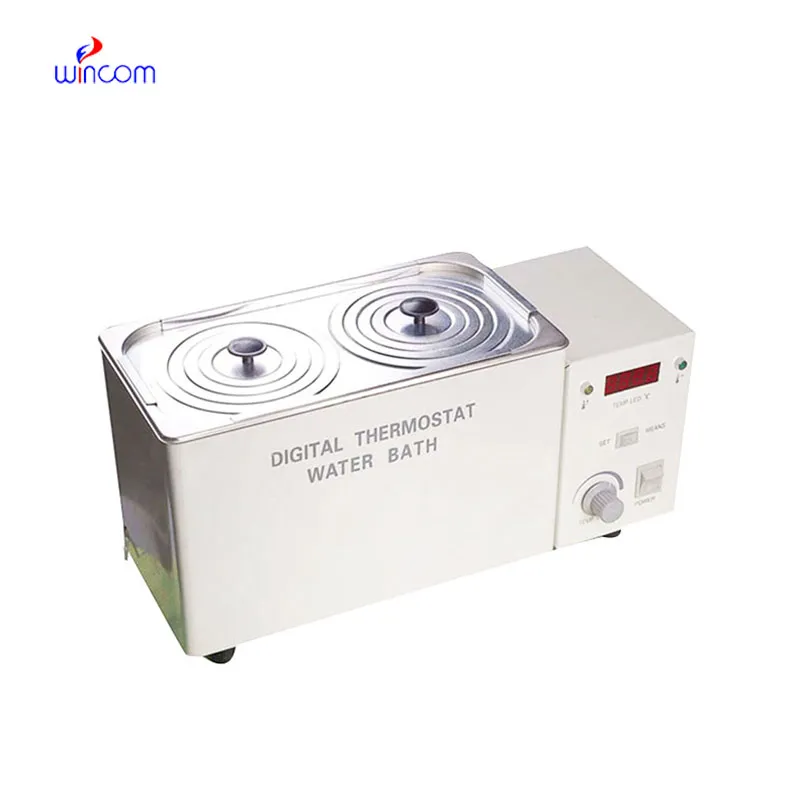
The water bath temperature chemistry lab has functionality with advanced temperature control technology. Its heater system includes stable thermal consistency, whereby each sample in the chamber undergoes equal heat exposure. The water bath temperature chemistry lab enables precise temperature setting and adjustments with an easy-to-use digital control panel. Its stainless-steel tank includes superior corrosion resistance and chemical reaction resistance. With built-in protection features such as thermal cut-off and water level sensing, the water bath temperature chemistry lab is all about performance and protection. It is best for regular lab applications and for certain scientific applications.

The water bath temperature chemistry lab is made for consistent and accurate heating for various laboratory applications. It is used extensively for microbial incubation, DNA extraction, and research in chemical reactions. In material science, the water bath temperature chemistry lab can be used for melting point testing and viscosity alterations under specific conditions. Its consistent heating prevents the deterioration of samples, and its programmatic nature allows researchers to maintain precise environments. The water bath temperature chemistry lab allows reproducible results for research labs and industrial labs that need thermal precision.
The future for the water bath temperature chemistry lab is more precision and more automation. Future models will incorporate improved digital control systems through the advancement in sensor technology, providing even more precise temperature performance. The water bath temperature chemistry lab will be integrated into smart laboratory networks to permit remote monitoring and data logging through cloud-based systems. The water bath temperature chemistry lab will also include eco-friendly materials and energy-saving heating systems. Though labs themselves are rapidly becoming more advanced, the future generation of the water bath temperature chemistry lab will emphasize flexibility, end-user safety, and integration transparency with current research pipelines.
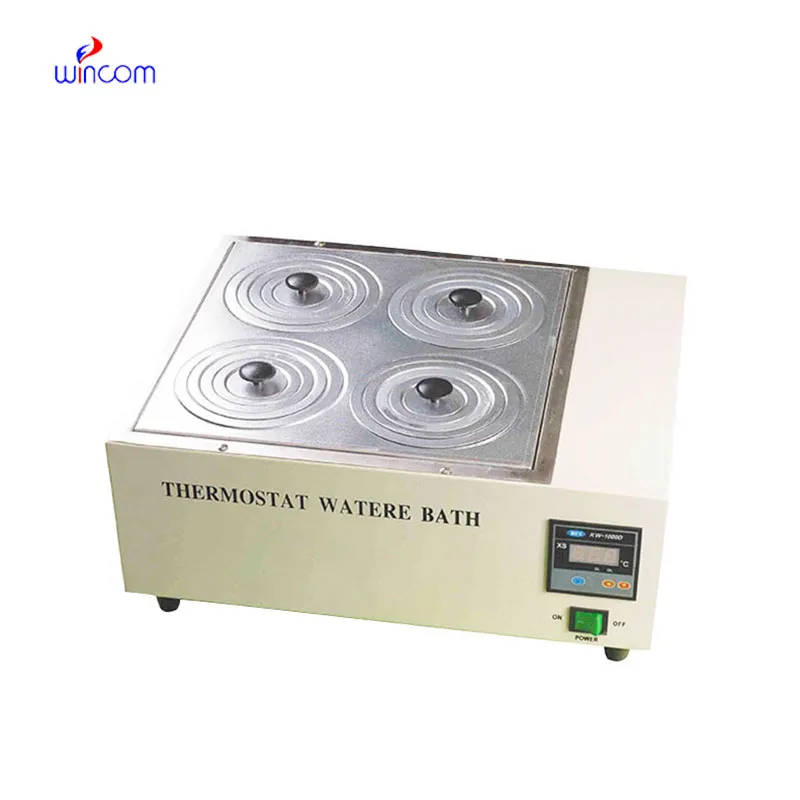
Routine maintenance procedures need to be performed by the users to make the water bath temperature chemistry lab function properly. Clean the tank every week to remove mineral buildup or chemical residue. Scaling and corrosion are prevented through the use of distilled water. Dry parts completely after cleaning before filling up. The heating coil and temperature sensor should be checked for build-up or debris. Electrical components should not be submerged in water when cleaning. Proper routine maintenance makes the water bath temperature chemistry lab accurate, safe, and efficient to utilize over a long period of time.
A water bath temperature chemistry lab is an important laboratory instrument used to give precise temperatures for samples when incubation, heating, or chemical reactions are ongoing. It provides uniform heat distribution through water circulation, ensuring uniform results for every sample. The water bath temperature chemistry lab is typically used in biology, chemistry, and medical labs where temperature regulation is important. Digital controls that are adjustable make it easy for users to track and regulate temperature for various experimental needs. Constructed from stainless steel chambers of high quality, the water bath temperature chemistry lab is safe, reliable, and durable in the long term for research and testing purposes.
Q: What temperature range can a laboratory water bath typically achieve? A: Most laboratory water baths operate between ambient temperature and approximately 100°C, allowing precise control for a variety of experiments. Q: How does a water bath ensure even heating across samples? A: The circulation of water, either by convection or a built-in stirrer, ensures uniform temperature distribution throughout the chamber. Q: Why should a water bath be calibrated regularly? A: Regular calibration ensures temperature accuracy, preventing errors that could affect the results of sensitive laboratory processes. Q: What materials are commonly used in constructing a water bath? A: High-quality stainless steel is typically used for the inner chamber to resist corrosion and ensure durability under continuous heating. Q: How can overheating be prevented when using a water bath? A: Many modern units feature automatic temperature cutoffs and alarms that activate if the set temperature exceeds safe limits.
This x-ray machine is reliable and easy to operate. Our technicians appreciate how quickly it processes scans, saving valuable time during busy patient hours.
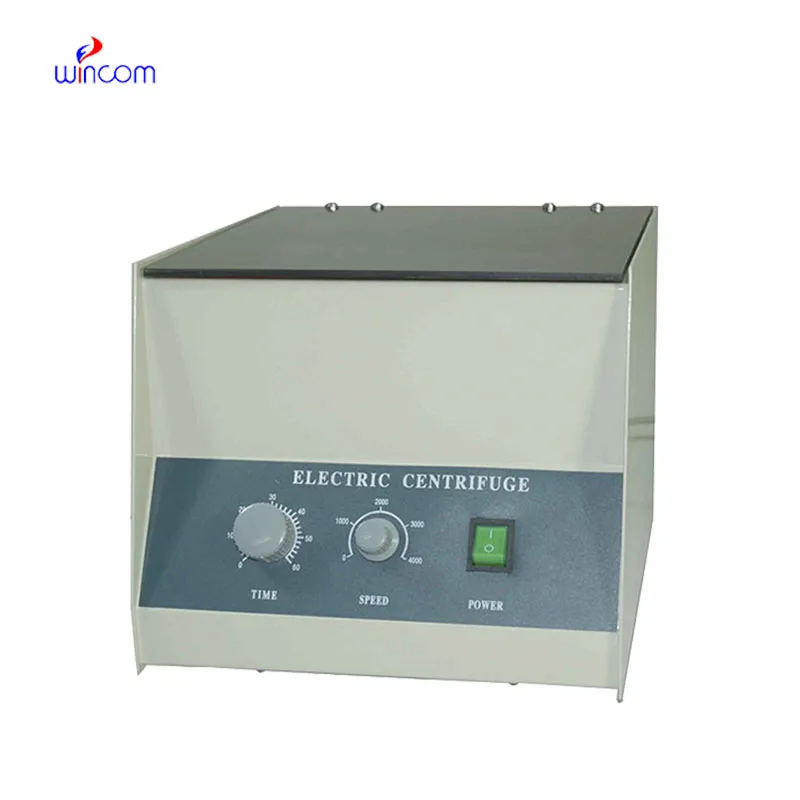
We’ve used this centrifuge for several months now, and it has performed consistently well. The speed control and balance are excellent.
To protect the privacy of our buyers, only public service email domains like Gmail, Yahoo, and MSN will be displayed. Additionally, only a limited portion of the inquiry content will be shown.
We’re currently sourcing an ultrasound scanner for hospital use. Please send product specification...
Hello, I’m interested in your water bath for laboratory applications. Can you confirm the temperat...
E-mail: [email protected]
Tel: +86-731-84176622
+86-731-84136655
Address: Rm.1507,Xinsancheng Plaza. No.58, Renmin Road(E),Changsha,Hunan,China


 EN
 af
 es
 ar
 tr
 sw
 pt
 th
 ur
 bn
 ne
 vi
 km
 lo
 de
 ru
 fi
 nl
 fa
 fr
 ko