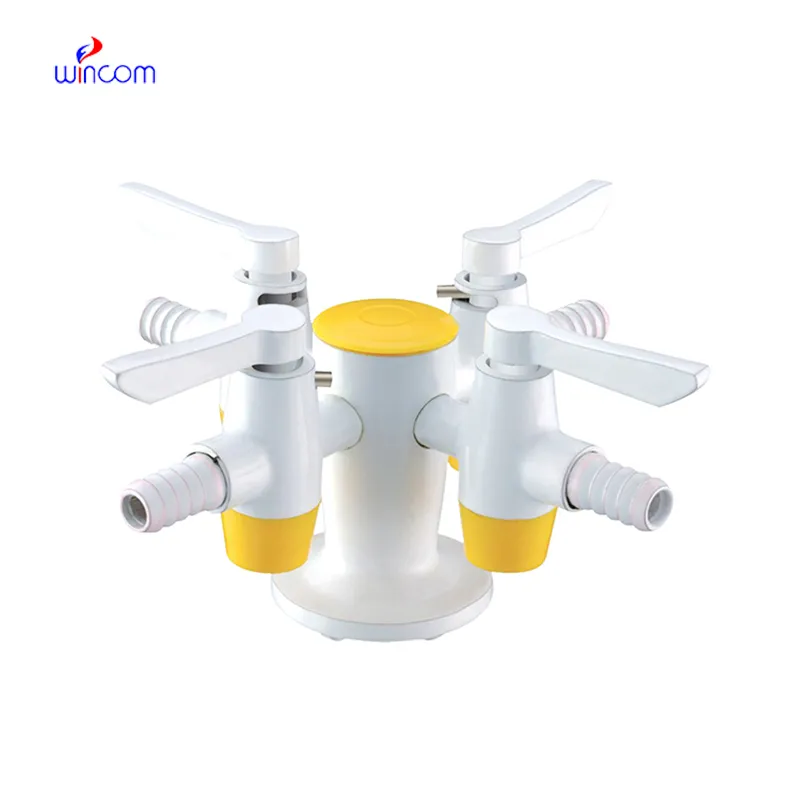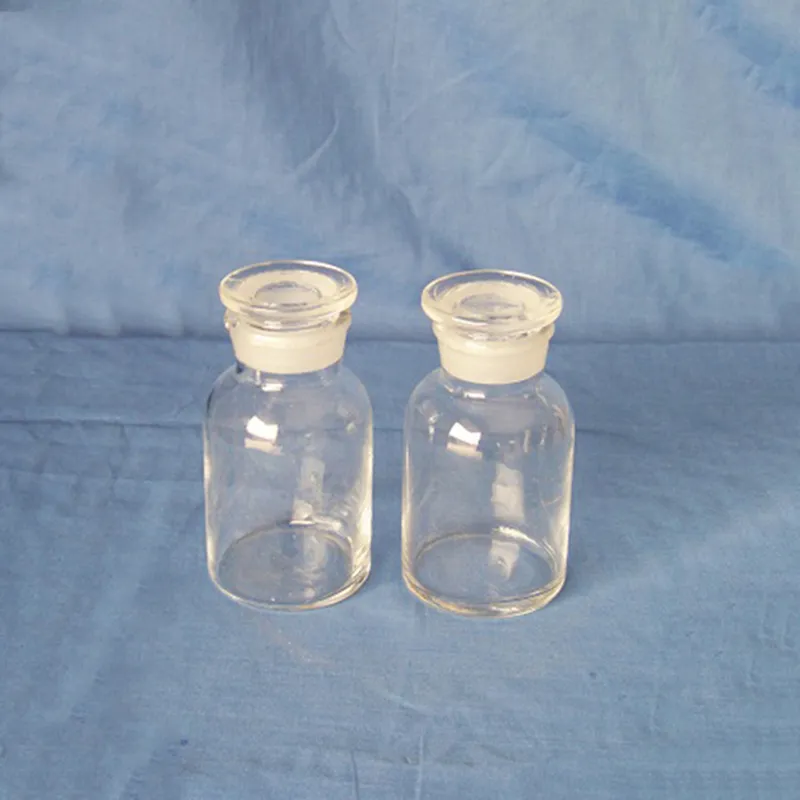
Ideal to aid laboratory precision, the water baths for laboratory offers better temperature control and uniformity. It is intended for applications that need stable temperatures, for example, reagent preparation or incubation. The system has an integrated thermostat that automatically regulates the set temperature range. The wear-resistant and corrosion-resistant materials employed in the water baths for laboratory enable continuous use. The smooth bore facilitates easy cleaning, and the compact size optimizes workspace efficiency. The water baths for laboratory offers excellent temperature control for test and research situations.

Both in commercial and school settings, the water baths for laboratory provides stable heat for experiments that necessitate temperature-driven conditions. It is used in processes such as protein digestion, bacterial culture, and heating of reagents. The water baths for laboratory is also crucial in environmental analysis where accuracy in temperature control of incubating samples is needed. The water baths for laboratory' reliability supports laboratories in conducting standard experiments as well as complex research studies. The water baths for laboratory' stable performance ensures reproducibility and reliability, boosting laboratory results' credibility across various fields.
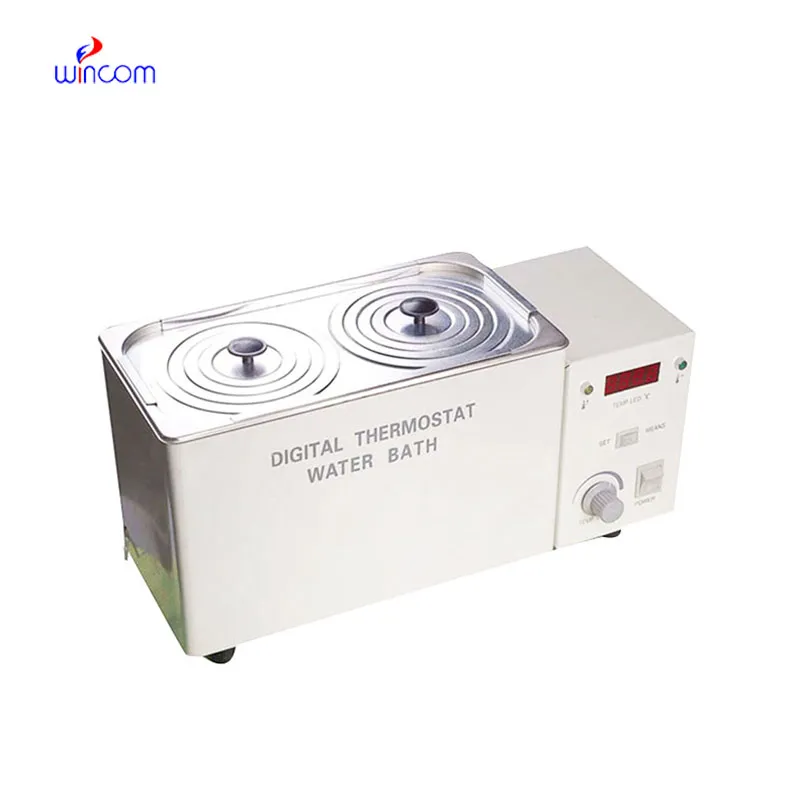
The future for the water baths for laboratory is more precision and more automation. Future models will incorporate improved digital control systems through the advancement in sensor technology, providing even more precise temperature performance. The water baths for laboratory will be integrated into smart laboratory networks to permit remote monitoring and data logging through cloud-based systems. The water baths for laboratory will also include eco-friendly materials and energy-saving heating systems. Though labs themselves are rapidly becoming more advanced, the future generation of the water baths for laboratory will emphasize flexibility, end-user safety, and integration transparency with current research pipelines.
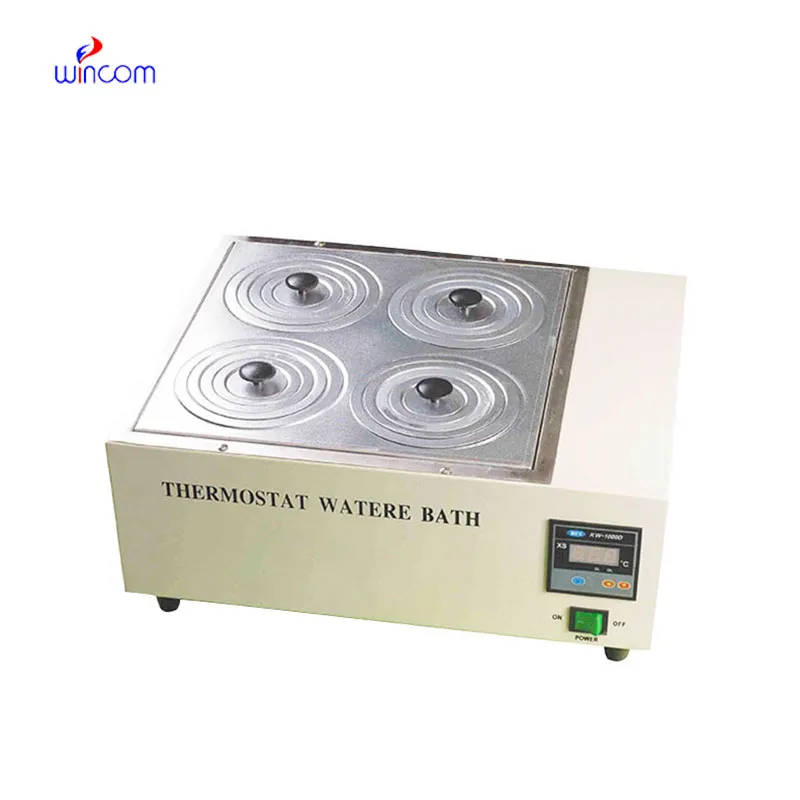
For effective operation, the water baths for laboratory requires frequent servicing. Cleaning and draining of the water chamber daily in order to eliminate sediment and biofilm. The use of filtered or deionized water prevents deposits. The heaters, seals, and gaskets must always be inspected for wear. Cleaning with a damp cloth on the outer surface with care. Scheduling calibration of the temperature control system ensures continuous accuracy. Regularly maintained water baths for laboratory offers consistent heating performance and optimizes working life under operating laboratory conditions.
The water baths for laboratory is a device that is normally applied to heat samples gradually and uniformly under temperature regulation. The instrument is an essential part of laboratories for offering stable thermal conditions for reactions, culture media preparation, and activation of enzymes. Water circulating within the water baths for laboratory facilitates the transfer of heat uniformly to prevent overheating. Most models come with digital readouts to allow for precise temperature measurement and simple adjustment. The water baths for laboratory can accommodate a broad scope of scientific uses where precise control of temperature improves experimental accuracy and replicability.
Q: What is the primary function of a water bath in the laboratory? A: A water bath is used to maintain samples at a constant temperature for extended periods, providing stable heating conditions for experiments and reactions. Q: Why is distilled water recommended for use in a water bath? A: Distilled water is preferred because it prevents mineral buildup, reduces corrosion, and helps extend the lifespan of the equipment. Q: How often should the water in a water bath be replaced? A:When contamination or visible residue occurs, it should be replaced at least once a week or more frequently to ensure cleanliness and accurate heating performance. Q: What safety measures should be taken when operating a water bath? A: Users should avoid overfilling, keep electrical components dry, and regularly check temperature controls to prevent overheating or short circuits. Q: Can a water bath be used for heating flammable liquids? A: No, flammable liquids should never be heated in a water bath, as vapors can ignite when exposed to heat or electrical sparks.
We’ve used this centrifuge for several months now, and it has performed consistently well. The speed control and balance are excellent.
This ultrasound scanner has truly improved our workflow. The image resolution and portability make it a great addition to our clinic.
To protect the privacy of our buyers, only public service email domains like Gmail, Yahoo, and MSN will be displayed. Additionally, only a limited portion of the inquiry content will be shown.
We’re interested in your delivery bed for our maternity department. Please send detailed specifica...
Could you share the specifications and price for your hospital bed models? We’re looking for adjus...
E-mail: [email protected]
Tel: +86-731-84176622
+86-731-84136655
Address: Rm.1507,Xinsancheng Plaza. No.58, Renmin Road(E),Changsha,Hunan,China


 EN
 af
 es
 ar
 tr
 sw
 pt
 th
 ur
 bn
 ne
 vi
 km
 lo
 de
 ru
 fi
 nl
 fa
 fr
 ko